Showing posts with label GlobalPartnerships. Show all posts

Friday, 28 November 2025

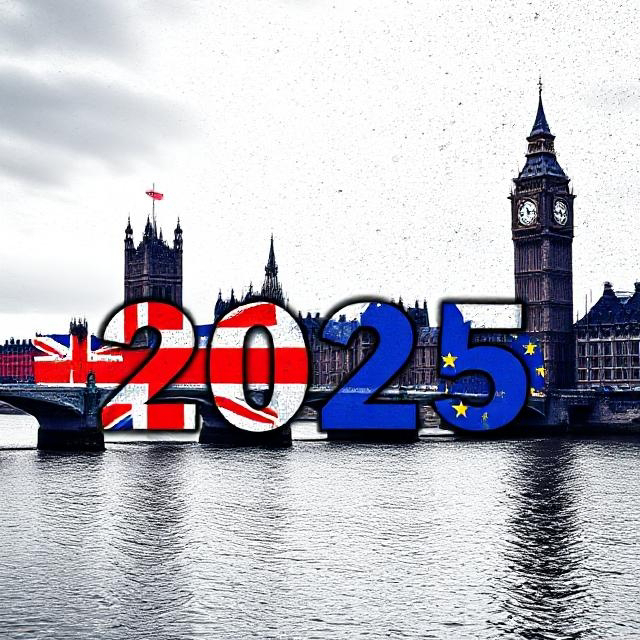
UK Post Brexit Conservation of EU & UK Citizens

UK Post Brexit Conservation of EU & UK Citizens : Navigating a New Era of Cooperation and Security

The United Kingdom’s departure from the European Union, commonly known as Brexit, marked a historic shift in the nation’s political and economic landscape. While it primarily signified a change in trade and border policies, one of the most critical aspects of this transition was the impact on millions of EU and UK citizens living across borders. As the dust settled, the UK and EU member states faced the challenge of ensuring the rights, safety, and integration of their citizens amidst a new geopolitical reality. The post-Brexit era has been characterized by efforts to preserve social cohesion, uphold legal protections, and foster ongoing cooperation despite political differences.


The importance of protecting the rights of EU citizens residing in the UK cannot be overstated. For decades, millions of Europeans have made the UK their home—working, studying, raising families, and contributing significantly to the nation's economic and cultural fabric. Recognizing this, the UK government committed to safeguarding these residents’ rights through the EU Settlement Scheme, which provided a pathway for EU nationals to secure their legal status. Launched in 2019, the scheme aimed to give individuals a clear and straightforward route to retain their residency rights, access public services, and continue living without fear of eviction or legal uncertainty.

Similarly, EU member states have taken proactive measures to support their citizens in the UK. Many countries established consular services to assist with legal advice, documentation, and integration support. Diplomatic efforts centered on ensuring that their nationals in the UK remained protected and that their rights were respected during this period of transition. Both sides recognized that cooperation was essential to prevent social fragmentation and to uphold the fundamental human rights of those affected.

Legal frameworks were crucial in this transition process. The UK introduced the Immigration and Social Security Coordination (EU Withdrawal) Act, which established new immigration rules for EU citizens. These rules aimed to create a fair and transparent system, emphasizing a points-based immigration process that prioritized skills, qualifications, and contributions rather than nationality alone. For many EU nationals, the new policies offered reassurance that their status would be secure if they registered under the appropriate schemes.

For UK citizens living in EU countries, similar measures were taken. Many nations simplified residency procedures and issued special protections to ensure that UK nationals could continue living, working, and studying without undue hardship. The emphasis was on mutual respect and cooperation to minimize disruption and foster social stability. These efforts highlighted the importance of diplomacy and shared values in maintaining good relations and supporting their nationals abroad.

The transition period also sparked discussions around citizenship and naturalization policies. Both the UK and EU countries sought to streamline procedures for those wishing to acquire new citizenships or maintain their existing legal status. For some, this involved navigating complex legal processes, but the overarching goal was to ensure fairness and accessibility. Governments recognized that citizens’ rights should be prioritized to prevent marginalization and social exclusion.

Furthermore, the UK’s post-Brexit policies aimed to promote inclusivity within its borders. Initiatives were introduced to support integration, language learning, and community engagement among EU and UK citizens. These programs aimed to foster social harmony and mutual understanding, emphasizing shared values across diverse communities. The focus on inclusion was a testament to the UK’s commitment to being a welcoming nation despite the political upheaval.

On the international level, both the UK and the EU engaged in diplomatic negotiations to address ongoing issues related to citizens’ rights. These negotiations focused on extending agreements that protected mobility, work rights, and social benefits. The importance of maintaining a strong, cooperative relationship was clear, not only for economic reasons but also for the social fabric of their respective populations.

Despite these efforts, challenges remained. Some citizens faced delays in processing applications, uncertainties about future rights, and difficulties related to documentation. Recognizing these issues, governments committed to continuous improvements and transparent communication to address concerns and reduce anxieties. The emphasis was on building trust, ensuring fairness, and recognizing the contributions of all citizens—regardless of nationality.

Looking ahead, the post-Brexit landscape requires ongoing cooperation and dialogue. Both the UK and EU nations understand that their shared prosperity depends on the stability and well-being of their citizens. Policies focusing on social inclusion, legal protections, and diplomatic collaboration will be vital in fostering a resilient and harmonious society. The emphasis on mutual respect and shared values remains central to addressing the evolving challenges of this new era.

In conclusion, the post-Brexit conservation of EU and UK citizens embodies a commitment to fairness, cooperation, and shared humanity. While the political landscape has shifted, the core principles of protecting human rights, promoting social cohesion, and fostering diplomatic relations continue to guide policies. As both regions forge ahead, their ability to adapt and collaborate will determine the future of their diverse communities. Ensuring that every citizen feels secure, valued, and included is the true measure of success in this new chapter.


---

1. Post-Brexit, the UK has introduced targeted legal frameworks to protect the residency rights of EU citizens living within its borders.  

2. Both the UK and EU nations have prioritized diplomatic cooperation to safeguard the rights and well-being of their respective communities.  

3. The transition has prompted the development of inclusive immigration policies focused on fairness, accessibility, and social integration.  

4. EU citizens in the UK and UK nationals in EU countries have benefited from streamlined residency and naturalization procedures.  

5. Diplomatic negotiations continue to play a vital role in maintaining mobility, work rights, and social benefits for affected citizens.  

6. Ongoing efforts emphasize building trust, reducing uncertainties, and fostering social cohesion across borders.

---

### Three Short Precise Sentences in One Paragraph

The post-Brexit environment has underscored the importance of protecting citizens’ rights through comprehensive legal and diplomatic measures. Both the UK and EU countries have committed to ensuring that their nationals can live, work, and study without disruption. Continued cooperation and transparent policies are essential to maintaining social stability and mutual respect in this new era.

---


SharedCitizenship,PostBrexitPeace  
,EUUKRelations,MigrationSupport  
,InclusiveEuropeUK,CitizenshipRights  
,DiplomaticUnity,SocialCohesion  
,GlobalMigration, MutualRespect


Wednesday, 8 October 2025

UK Post Brexit Enlighten Peaceful Factors

UK Post Brexit Enlighten Peaceful Factors

The United Kingdom’s departure from the European Union marked a significant turning point in its modern history, sparking widespread debate and analysis of its future trajectory. However, amidst the complexities of Brexit, there are numerous positive and peaceful factors that are contributing to the nation’s stability, unity, and growth. These factors are fostering a renewed sense of national purpose, strengthening regional identities, and encouraging innovative solutions to longstanding challenges. As the UK navigates this new chapter, it is essential to recognize the peaceful and constructive elements that are shaping its post-Brexit landscape.


In the Wake of Brexit, the United Kingdom is gradually charting a course toward a more peaceful and prosperous future by harnessing positive national and international factors. One of the most prominent aspects is the renewed sense of sovereignty, which empowers local communities and encourages policies tailored to specific regional needs. 


This decentralization fosters harmony and reduces feelings of alienation among different parts of the country, ultimately contributing to domestic peace. Simultaneously, the UK’s pursuit of diverse global trade agreements signifies its desire to expand economic opportunities beyond traditional European markets, promoting stability and growth in various sectors. These new partnerships not only bolster the economy but also foster peaceful diplomatic relations, reinforcing the UK’s role on the world stage as a responsible and collaborative nation.

 Additionally, the UK continues to invest in regional development programs that address economic disparities, fostering social cohesion and unity. Cultural and academic exchanges remain vibrant, nurturing mutual understanding and peaceful coexistence among diverse communities within the country and abroad. Furthermore, the focus on innovation and sustainability signals a commitment to future generations, demonstrating a forward-thinking approach that seeks peaceful progress through environmental responsibility and technological advancement. Overall, these factors collectively create a resilient, peaceful, and optimistic outlook for the UK’s post-Brexit era.

1. Post-Brexit, the UK is experiencing a period of national reflection that emphasizes sovereignty and self-determination, fostering a sense of empowerment among its citizens.  

2. The country is embracing new trade partnerships worldwide, which promotes economic diversification and reduces over-reliance on traditional markets, leading to a more resilient economy.  

3. Increased focus on regional development initiatives is helping to bridge economic disparities across different parts of the UK, nurturing a more balanced and peaceful coexistence.  

4. The UK’s commitment to maintaining strong diplomatic relationships contributes to global peace and stability, showcasing its role as a responsible international actor.  

5. Cultural and educational exchanges continue to flourish, strengthening mutual understanding and peaceful coexistence both within the UK and with other nations.  

6. The emphasis on innovation, technology, and sustainable development post-Brexit is paving the way for a forward-looking, peaceful future rooted in knowledge and environmental responsibility.  

================*****************************************===============================*****************************************===============
Thank You Readers to View this Blog's Content which would be certainly Official Post Brexit Moralize Productive Communication Factors,

Tuesday, 17 June 2025

2025 EU & UK Post-Brexit Multilateral Ties

2025 EU & UK Post-Brexit Multilateral Ties: A New Era of Cooperation

The year 2025 marks a significant juncture in the relationship between the European Union (EU) and the United Kingdom (UK) following the 2016 Brexit referendum.  While the formal departure has shaped the political landscape, a new dynamic is emerging in the realm of multilateral ties.  This post-Brexit era presents both challenges and opportunities for collaboration, prompting a re-evaluation of strategic partnerships on a global stage.


The EU and the UK are entering a new phase of engagement, characterized by a complex interplay of cooperation and divergence. The departure of the UK from the EU's institutional framework has undoubtedly altered the dynamics of their relationship, impacting everything from trade agreements to security cooperation.  However, the shared interests of both entities extend beyond their bilateral dealings, encompassing global challenges such as climate change, technological advancements, and geopolitical stability.

**Navigating the Post-Brexit Landscape:**

One of the most significant areas of renewed focus is trade.  The UK, now outside the EU's single market and customs union, is actively pursuing new trade agreements worldwide.  This necessitates a recalibration of its approach to multilateral trade organizations like the World Trade Organization (WTO), and the potential for the UK to forge separate trade pacts with countries around the globe.  Simultaneously, the EU remains focused on strengthening its existing trade partnerships and reducing dependence on specific trading partners.  This creates a complex interplay: the EU and the UK must navigate the new trade landscape and identify areas where mutual benefit and cooperation are possible.

**Climate Change and Environmental Sustainability:**

The urgency of climate change has emerged as a crucial point of convergence. Both the EU and the UK recognize the imperative of transitioning to a sustainable future and are committed to reducing carbon emissions and promoting green technologies.  This shared concern provides a basis for collaborative initiatives on renewable energy, carbon capture, and sustainable agriculture.  Multilateral partnerships with other nations are critical to achieving these goals.  This renewed focus on environmental sustainability is a key driver in the emerging EU-UK relationship.

Technological Innovation and Global Security :

Technological advancements and global security are areas where the EU and UK can leverage their respective strengths for mutual benefit.  The UK's strong research and development capabilities, combined with the EU's robust regulatory framework, can foster collaborative projects in areas such as artificial intelligence, cybersecurity, and quantum computing.  Furthermore, the UK's global reach and the EU's strong network can amplify their influence in international security organizations, addressing shared challenges like terrorism, cyber warfare, and geopolitical instability.  This collaboration emphasizes the potential for the EU and UK to act as powerful forces in shaping the future of global security.

**Emerging Markets and Global Partnerships:**

The post-Brexit era presents opportunities for the EU and the UK to collaborate with emerging markets and strengthen existing partnerships with established allies.  This could involve joint ventures in infrastructure development, technological transfer, and capacity building.  The EU and the UK have substantial experience and resources that can be leveraged to support economic growth and development in these regions.  This initiative demonstrates a shared commitment to global leadership and the facilitation of international cooperation.

Challenges and Considerations :

Despite the potential benefits, navigating the post-Brexit landscape presents challenges.  Differences in regulatory frameworks, trade policies, and strategic priorities can sometimes create obstacles to comprehensive cooperation.  Building trust and maintaining open communication channels are essential for overcoming these hurdles and ensuring that the EU and UK's multilateral ties are sustained and productive.  The ongoing evolution of both entities' international relationships will shape the future of their interactions.


Conclusion :

By 2025, the EU and UK are poised to redefine their multilateral ties, moving beyond the immediate aftermath of Brexit.  The shared commitment to global leadership, tackling critical issues like climate change and technological advancements, and fostering collaborations with emerging markets will be crucial in shaping the future of their relationship.  While challenges remain, the potential for mutually beneficial partnerships presents an exciting opportunity for both entities to contribute to a more stable and prosperous global order.  The path forward will be shaped by the willingness of both sides to engage in open dialogue and find common ground in the face of shared Challenges.


1. By 2025, the European Union and the United Kingdom are strategically redefining their multilateral partnerships to foster economic growth and political stability post-Brexit.  

2. The evolving landscape emphasizes renewed cooperation in trade, climate change, security, and technological innovation, reflecting a shared commitment to global leadership.  

3. Both entities are leveraging new trade agreements and diplomatic frameworks to strengthen ties with emerging markets and established allies alike.  


4. The post-Brexit era presents an opportunity for the EU and UK to collaborate more flexibly on international issues, balancing sovereignty with multilateral engagement.  

5. Enhanced multilateral relations are also aimed at addressing global challenges such as cybersecurity threats, migration, and sustainable development.  

6. As they navigate this complex geopolitical terrain, the EU and UK are increasingly emphasizing dialogue, cooperation, and mutual interests to ensure long-term stability.  

================*****************************************================================*****************************************===============
🙏💐🛡🌅🌏👨‍👩‍👧‍👦🏛🙏💐🌏👨‍👩‍👧‍👦🌅🛡
" By 2025, the EU and UK are actively strengthening their multilateral ties through new trade agreements and diplomatic collaborations. They are focusing on addressing global challenges like climate change and security together, fostering a cooperative international environment. This approach aims to promote stability, economic prosperity, and shared values beyond Brexit’s immediate aftermath. "


Tuesday, 11 February 2025

2025 UK Post Brexit Productive Aspects in Potential Diversity,

Title: Embracing a Diverse Future: The Productive Aspects of Post-Brexit Britain in 2025

As the United Kingdom strides confidently into the year 2025, the potential diversity of its economy post-Brexit is becoming evident. The separation from the European Union has ushered in a new era of innovation, adaptability, and cultural exchange, enriching the British landscape in various sectors. This blog post will explore the productive facets of Britain’s post-Brexit economy, emphasizing diversity in markets, workforce skills, and cultural synergy.


The New Economic Panorama

Post-Brexit, the UK has seen a significant expansion in its economic landscapes. Businesses have been compelled to think more globally, resulting in enhanced ties with nations outside the European Union. Companies have embraced a more diverse marketplace, tapping into emerging economies in Asia, Africa, and the Americas. This has not only opened new avenues for trade but has also led to the influx of unique products and services previously unavailable in the local market.


#### A Multicultural Workforce

One of the remarkable transformations in post-Brexit Britain is the shift in the composition of the workforce. The UK has a rich history of being a melting pot of cultures, and this aspect is only set to grow. As businesses seek fresh talent and perspectives, there is an increased emphasis on recruitment from diverse backgrounds. This influx of skill sets not only enriches the workplace culture but also promotes creativity and innovation. Multicultural teams are proving crucial in understanding and engaging with a global clientele, making them indispensable in today's economy.

#### Innovation and Sustainability

Diversity in thought breeds innovation, and this is evident in various sectors, particularly in technology and sustainability. The UK is making strides toward becoming a leader in green technology, and diverse insights from a multicultural workforce are essential in developing innovative solutions. Businesses are more prepared than ever to adopt sustainable practices, with a focus on reducing carbon footprints and enhancing their societal contributions—goals that align with the values of a diverse society eager for sustainable growth.

#### Cultural Synergy

Britain's rich cultural tapestry has long been a source of pride and strength. As the nation moves further along the post-Brexit path, there is an increased appreciation for this diversity, fueling cultural exchanges that enrich everyday life. Events celebrating global cultures, from food festivals to art exhibitions, have become mainstream, promoting social cohesion and understanding among different communities. This cultural synergy fosters a more interconnected society, encouraging acceptance and collaboration—a critical ingredient for a productive future.

 Localism and Community Engagement

Another positive productive aspect of post-Brexit Britain is the surge in localism. With a renewed focus on supporting local businesses, communities are rallying around homegrown initiatives. Consumers are increasingly interested in sourcing products locally, leading to the growth of independent retailers and artisanal producers. This transition is pivotal, as it not only boosts the economy but also reinforces community bonds. Localized economies thrive on diversity, accessing unique skills and talents to cater to specific market needs.


 Strengthening Global Partnerships

Lastly, while Brexit initially posed challenges, the UK has paved the way for enhanced global partnerships. The focus has shifted towards establishing trade agreements with countries that align with the UK’s strategic interests. These relationships foster a mutually beneficial environment, promoting knowledge exchange and collaboration across sectors. As the UK continues to build these bridges, the potential for innovation and productivity is boundless. This interconnectedness highlights the importance of diverse partnerships, which are integral to navigating the complexities of global trade in a post-Brexit world.

### Conclusion

Looking ahead, the prospects of a diverse and productive post-Brexit Britain in 2025 are promising. Through innovation, cultural synergy, and community engagement, the UK is crafting a future that not only embraces its unique attributes but leverages them for global success. The contributions of diverse talents will be instrumental in shaping an economy that is resilient, dynamic, and perfectly poised for the challenges and opportunities of tomorrow.


---


1. In 2025, the UK is becoming a beacon of global commerce, driven by the newfound diversity of its marketplace.

2. The multicultural workforce enhances creativity within organizations, bringing a wealth of perspectives and ideas to the table.

3. With a focus on sustainability, diverse teams are pivotal in pioneering green technologies and innovative solutions.

4. Cultural exchanges and events celebrating diversity enrich the social fabric of post-Brexit Britain, fostering unity and collaboration.

5. The localism trend encourages community engagement and supports independent businesses, fueling economic growth from within.

6. Strengthened global partnerships are facilitating the exchange of knowledge and resources, positioning the UK for continued innovation and success.

=================*****************************************=================================******************

In 2025, the UK is flourishing through a renewed focus on diversity in its economy and workforce. This transformation fosters creativity and drives innovation in sectors like sustainability and technology. As communities embrace localism and engage in cultural exchanges, they create a resilient and interconnected society prepared for future challenges.


Tuesday, 9 July 2024

2024 UK Post Brexit Matters in Leadership of MPs


" UK Economic Post Brexit Strategies have been certainly required Diplomatic Integration of Civic Sustainable Reinforcement in Diversity of UK Landmark.After General Elections of MPs, Specific Actions would be certainly inevitable for the Convenient Gestures of Positive Commencements in Community Resources.

As the United Kingdom embarks on a new chapter in its history, the nation is eagerly anticipating the opportunities and challenges that lie ahead in the post-Brexit era. The departure from the European Union has brought about a sense of uncertainty, but also a chance for the UK to redefine its identity, Economy, and Leadership. 


In this Blog Post, you'll delve into the future of MP's leadership in 2024, Exploring the possibilities and pitfalls that await. 


**A Fresh Start for Leadership**

The Brexit negotiations have left a trail of questions surrounding the role of MPs in shaping the country's future. As the dust settles, it's clear that the next generation of leaders will be instrumental in navigating the complexities of this new landscape. The Conservative Party, in particular, has been plagued by divisions over Brexit, with some calling for a second referendum and others advocating for a harderline approach.

In 2024, it's crucial for MPs to work together to build a united front, putting aside party politics and focusing on what's best for the nation. This will require strong leadership, innovative thinking, and a willingness to listen to diverse perspectives. With the election of a new Prime Minister and Cabinet, there's an opportunity to reboot and refocus on the country's priorities.

**Strengthening Local Communities**

Brexit has raised concerns about the impact on local communities, particularly in regions heavily reliant on EU funding. In 2024, MPs must prioritize community development and regeneration initiatives to ensure that these areas receive the support they need to thrive. This can be achieved by:

1. Investing in infrastructure: Upgrading transportation links, improving digital connectivity, and enhancing public services will be crucial for economic growth.

2. Empowering local businesses: Providing training programs, mentorship schemes, and tax breaks will help entrepreneurs and small businesses flourish.

3. Fostering community engagement: Encouraging participation in local decision-making processes and supporting grassroots initiatives will help build stronger, more resilient communities.

**Innovative Thinking and Economic Growth**

The UK's exit from the EU presents a chance to reimagine its economy, embracing innovative industries and technologies that will drive growth. MPs must:

1. Foster entrepreneurship: Encourage start-ups, scale-ups, and spin-offs by providing access to funding, expertise, and networks.

2. Invest in research and development: Boost investment in science, technology, engineering, and mathematics (STEM) fields to create cutting-edge products and services.

3. Strengthen trade relationships: Negotiate new trade deals with key partners worldwide to expand export markets and diversify trade routes.

**Building Global Partnerships**

The UK's departure from the EU creates an opportunity to forge new alliances with global partners, strengthening its position on the world stage. MPs must:

1. Engage with international organizations: Collaborate with institutions like the World Trade Organization (WTO) and international non-governmental organizations (NGOs) to promote trade and cooperation.

2. Develop strategic partnerships: Foster strong ties with nations sharing similar values and interests, such as the United States, Australia, and Canada.

3. Promote cultural exchange: Encourage artistic collaborations, educational exchanges, and cultural festivals to promote understanding and strengthen bonds between nations.

**Challenges Ahead**

While there are many opportunities arising from Brexit, there are also significant challenges that must be addressed:

1. Immigration reform: Developing a new immigration system that balances economic needs with social concerns.

2. Border control: Ensuring effective management of borders while maintaining economic flows.

3. Environmental protection: Complying with EU environmental regulations while maintaining national sovereignty.

Conclusion on 2024 UK Post Brexit Matters in Leadership of MPs :

As we enter 2024, it's clear that post-Brexit leadership will require innovative thinking, collaboration, and resilience. MPs must work together to build a brighter future for the UK, focusing on community development, economic growth, global partnerships, and addressing challenges head-on.

The next generation of leaders has a unique chance to shape the country's destiny, ensuring that Britain remains a beacon of hope for innovation, freedom, and prosperity. By embracing this new era with optimism and determination, we can build a stronger, more united nation that thrives in an ever-changing World.


1. The UK's departure from the EU presents a chance to redefine its identity, Economy, and Leadership in 2024.

2. The next generation of leaders must work together to build a united front, putting aside party politics and focusing on what's best for the nation.

3. Investing in local communities, infrastructure, and entrepreneurship will be crucial for economic growth and development.

4. The UK must forge new trade relationships and strengthen existing ones to expand export markets and diversify trade routes.

5. MPs must prioritize community development, environmental protection, and immigration reform to address the challenges ahead.

6. By embracing innovation, collaboration, and resilience, the UK can build a brighter future and remain a beacon of hope for innovation, freedom, and prosperity.


================*****************************************================================*****************************************===============
Thank You Readers to View this Blog's Contents which would be specifically considerate UK Post Brexit Communication Factors of Diplomatic Leading Contextual Scenarios about 2024 UK Post Brexit Matters in Leadership of MPs.


( Disclaimer : Above Contents have been Individual Opinion of Subjective formations of Subjects within the Logical Aspiration by the actual certainty of Theorems. If some of contents meet criteria regarding Individual ,Moral, Personal would be coincidence at all. This Blog does provide Information to Explore Knowledge for Students , Adults and Curious Fellows.Kindly suggest to Viewers Copy of any Contents from this Blog without Permission of Authors will Claim as Copyright Infringement., Violent or Abusing Comments on Blog strictly Prohibited. Infringement of Individual Law will Liable to Legally Actions on particular Fellows.) 

From : Author of Blog.

Thursday, 11 April 2024

2024 Post Brexit Summer Session of Optimism

In UK Summer Session of Democratic Festivity to provide Opinions by UK and EU Fellowships, Specific Post Brexit Affirmative Respons by Constitutionak Diplomatic Leaderships, for Sustainable Consequence in Summer Seasonal Scenario  As the summer of 2024 unfolds, the United Kingdom finds itself in a transformative phase post-Brexit. While the road since the 2016 referendum has been filled with uncertainties and challenges, this summer presents an Opportunity for the UK to embrace a new era with Optimism and Resilience. 


Images Courtesy : Pixabay, Canva & Innovation Creativity, 2024 Post Brexit Communication Strategies in UK Landmark,

Having I inform that related UK - EU Considerations in this Blog Descriptions according to credible Sources of Printed Media ,Digital Media behalf of Internet Websites, Blogs, Applications as well as Televisions Broadcasting Channels Sources are being referred to collect the certain contents of this Blog's Post : 2024 Post Brexit Summer Session of Optimism, If there would be related with personal , moral , individual , Firms and other circumstance would be Coincidence at all.This Blog's Contents Provide Knowledge, certain Awareness and Official Information about particular Topic which would be recent Formations of Conditions at all.Kindly Viewers mentioned this certain Notification to acknowledge about Contents Descriptions about specific Subjects inward.


This Blog Post will delve into the Positive Developments shaping the UK's post-Brexit Landscape this Summer and the Reasons to remain Hopeful for the Future.


A Flourishing Economy

One of the most encouraging signs this summer is the resilience of the UK's economy. Despite initial concerns surrounding Brexit, the UK has seen a resurgence in economic activity, with businesses adapting to new trade realities and exploring global opportunities. The government's commitment to fostering innovation and entrepreneurship has also played a crucial role in driving economic growth.

Global Partnerships and Trade Opportunities
The UK's newfound independence has allowed it to forge new trade partnerships and strengthen existing relationships on the global stage. Trade agreements with countries outside the European Union are opening up new markets for British goods and services, providing businesses with the opportunity to expand and thrive internationally. These partnerships are not only beneficial for the economy but also foster a spirit of collaboration and mutual respect on the global stage.


Innovation and Technological Advancements
The UK has long been a hub for innovation and technological advancements, and this summer is no exception. From advancements in renewable energy to breakthroughs in artificial intelligence and biotechnology, British companies and research institutions are leading the way in shaping the future. The government's investment in research and development is further fueling this momentum, positioning the UK as a global leader in innovation.

Cultural and Social Resilience
Despite the challenges posed by Brexit, the UK's cultural and social fabric remains as vibrant as ever. The summer season brings with it a plethora of festivals, events, and celebrations that showcase the rich diversity and creativity of the British people. From music and arts festivals to food and cultural exhibitions, there is something for everyone to enjoy and celebrate. This resilience and spirit of community are testament to the UK's ability to adapt and thrive in the face of adversity.


Environmental Stewardship

In recent years, there has been a growing awareness and commitment towards environmental stewardship in the UK. This summer, initiatives aimed at promoting sustainability and combating climate change are gaining traction, with communities, businesses, and the government coming together to make a positive impact. From tree planting campaigns to renewable energy projects, the UK is taking proactive steps towards creating a greener and more sustainable future for all.

Looking Ahead with Optimism
As we look ahead to the rest of the summer and beyond, there are numerous reasons to be optimistic about the UK's post-Brexit future. The resilience and adaptability of the British people, coupled with a thriving economy, innovative spirit, and commitment to sustainability, are setting the stage for a brighter and more prosperous future.


Conclusion on 2024 Post Brexit Summer Session of Optimism :


In 2024 UK Summer Diplomatic Convention to acknowledge Healthy Strategies of Post Brexit Optimistic Wellness & Well-being in Potential Diversity of UK Social Perimeters. 
the post-Brexit summer of 2024 is a time of optimism and new beginnings for the United Kingdom. While challenges remain, the UK's ability to adapt, innovate, and collaborate positions it well for Success in the years to come. As we embrace this new era with Positivity and Resilience, there is no doubt that the best is yet to come for the UK and its People.


Images Courtesy : Pixabay, 2024 Post Brexit Summer Session of Optimism,


The summer of 2024 marks a transformative phase for the UK post-Brexit, with a resilient economy and flourishing trade partnerships driving Optimism.

The UK's commitment to innovation and technological advancements is evident, positioning the country as a global leader in sectors from renewable energy to Artificial Intelligence.

Despite challenges, the vibrant cultural and social fabric of the UK remains strong, with summer festivals and events showcasing the nation's rich diversity and creativity.


Initiatives promoting environmental stewardship are gaining momentum, highlighting the UK's proactive approach towards sustainability and combating climate change.

The UK's ability to adapt, innovate, and collaborate sets a promising stage for a brighter and more prosperous future in the post-Brexit era.

As we embrace this new chapter with Resilience and Positivity, there is a collective Belief that the best is yet to come for the United Kingdom and its People.


================****************************************================================****************************************================
Thank You Readers to View this Blog's Contents which would be specifically Considerate Unique Objectives of Post Brexit Official Concerns in UK Summer Seasonal Scenarios about 2024 Post Brexit Summer Session of Optimism.


( Disclaimer : Above Contents have been Individual Opinion of Subjective formations of Subjects within the Logical Aspiration by the actual certainty of Theorems. If some of contents meet criteria regarding Individual ,Moral, Personal would be coincidence at all. This Blog does provide Information to Explore Knowledge for Students , Adults and Curious Fellows.Kindly suggest to Viewers Copy of any Contents from this Blog without Permission of Authors will Claim as Copyright Infringement., Violent or Abusing Comments on Blog strictly Prohibited. Infringement of Individual Law will Liable to Legally Actions on particular Fellows.) 

From : Author of Blog.